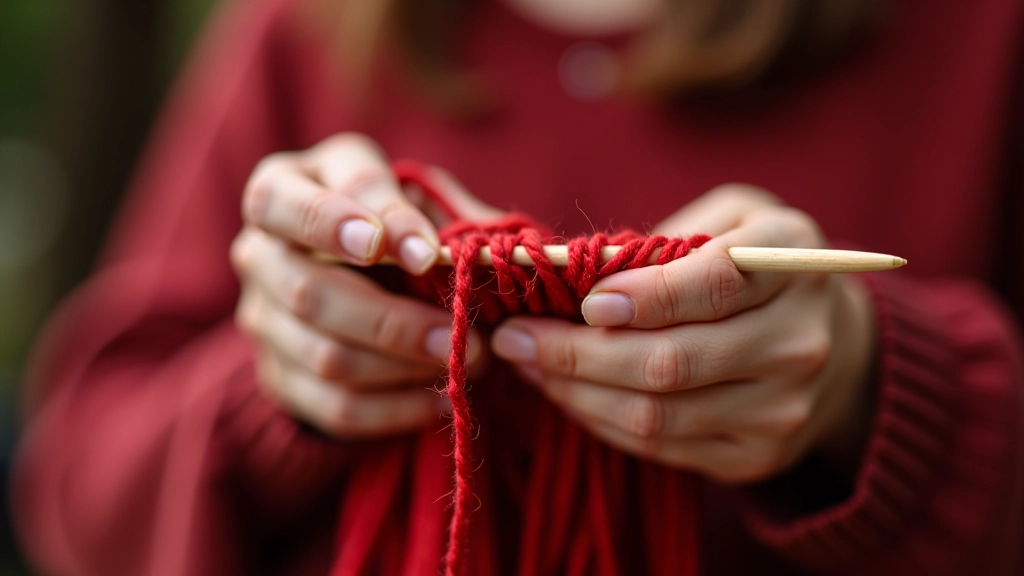
Walk into a rūkdarbi workshop in Sigulda on any Tuesday afternoon and you'll hear needles clicking, see hands working with practiced rhythm, and feel the warmth of a community keeping traditions alive. It's not about nostalgia — these aren't grandmothers reminiscing about the old days. It's about real people, young and old, learning techniques that date back centuries while creating something genuinely beautiful.
The workshops scattered across Latvia's eastern towns aren't just hobby classes. They're cultural hubs where traditional rūkdarbi — the distinctive patterned knitting that defines Baltic textile heritage — gets passed down, preserved, and reimagined for contemporary makers. Whether you're completely new to knitting or returning to it after decades, these spaces welcome you.
What You'll Find Here
- Structured programs from beginner to advanced
- Master instructors with decades of experience
- Access to authentic traditional patterns
- A supportive community of textile enthusiasts
The Heritage Behind Every Pattern
Latvian rūkdarbi patterns aren't random designs. Each motif carries meaning — geometric shapes representing protection, natural elements reflecting the forests and waters that shaped Baltic life, symbols telling stories of family heritage and regional identity. When you learn to knit a traditional pattern, you're not just following instructions. You're connecting with centuries of cultural expression.
The workshops teach this context alongside technique. Instructors explain where specific patterns originated, which regions developed which variations, and how these designs connected to everyday life in traditional communities. It's not abstract knowledge — it's living history.
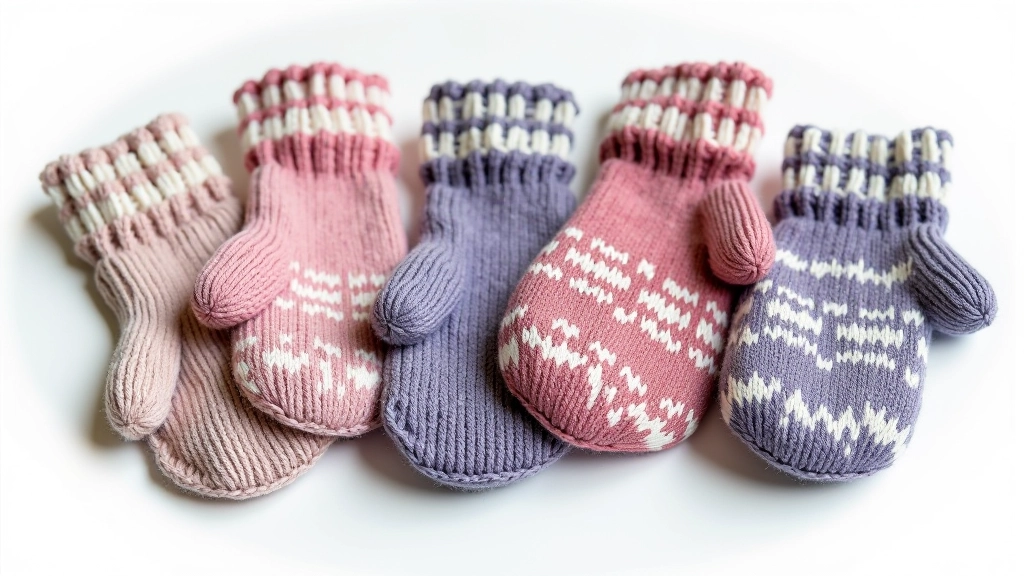
Most participants start by learning basic stockinette and garter stitches. Within 3-4 weeks, they're ready for their first patterned mittens. The progression feels natural because it's been refined over generations. The same way Latvian knitters learned in the 1800s — just with better lighting and heated rooms.

How the Workshops Actually Work
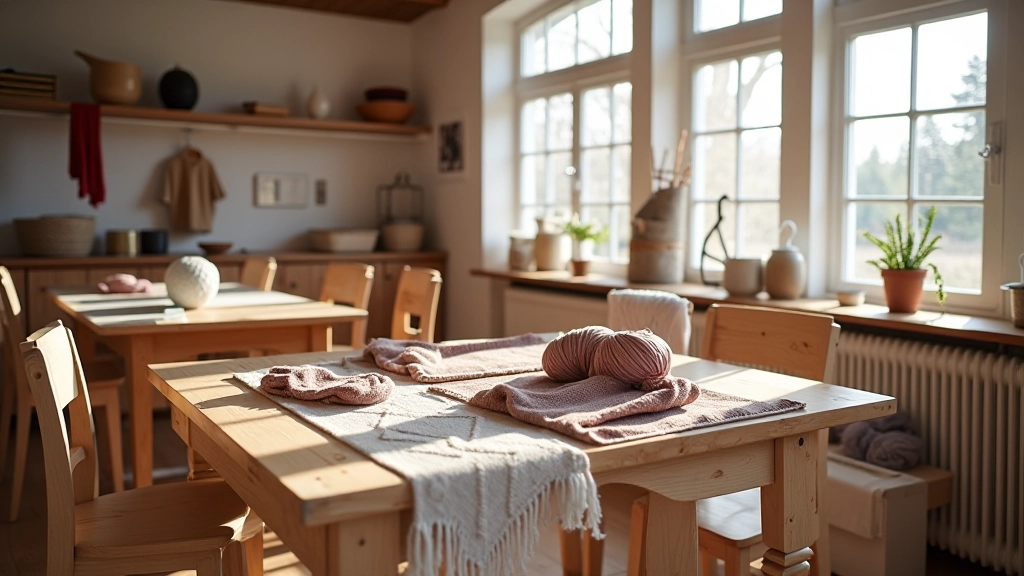
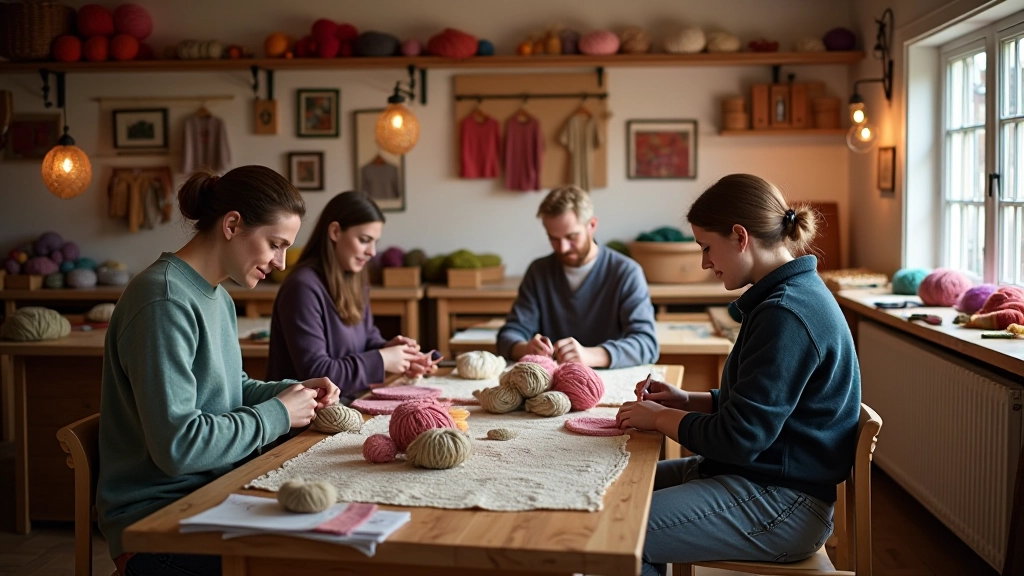
The Sigulda workshop runs Tuesday and Thursday evenings, 7-9 PM. Small groups of 6-8 people work at wooden tables under warm lighting. You'll notice the space immediately — shelves lined with yarn in every natural color imaginable, samples of finished pieces displayed on the walls, pattern books both historical and contemporary, and a calm, focused atmosphere.
Sessions follow a consistent structure. First 15 minutes: reviewing what you worked on last time, addressing any questions or dropped stitches. Middle hour: focused instruction on new techniques or continuing your project. Final 15 minutes: community time where people share finished pieces, ask advice, and plan their next projects.
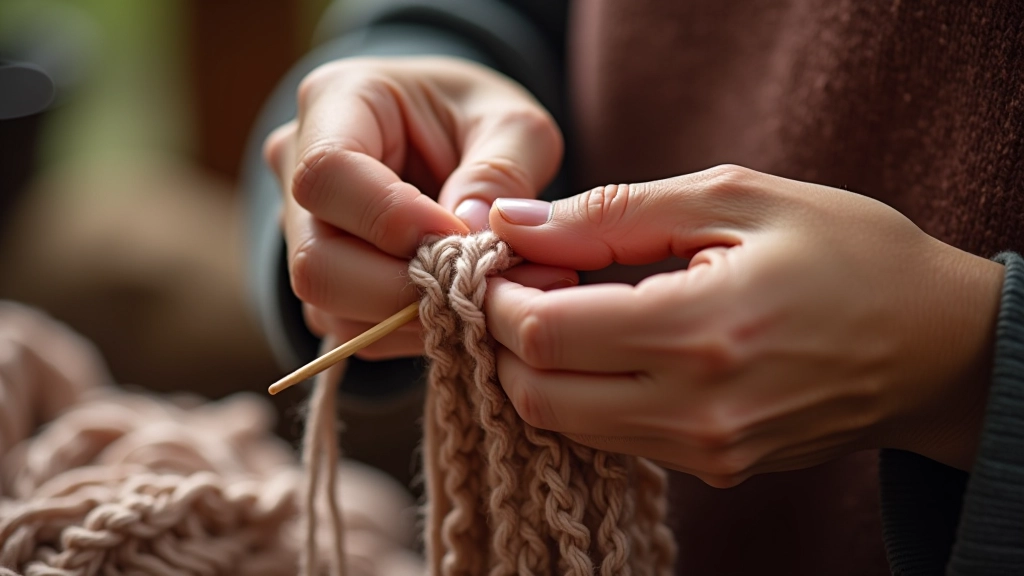
What's different about these workshops compared to online tutorials or casual hobby groups? The expertise is real. Most instructors trained in traditional methods from experienced craftspeople, not just from books. They can diagnose tension issues by feel, suggest adjustments specific to your hand size, and troubleshoot problems that video tutorials can't cover.
Educational Information
This article provides educational information about traditional Latvian textile crafts and rūkdarbi workshops. Information about workshop schedules, locations, and specific program details should be confirmed directly with the workshops themselves, as offerings and hours may vary seasonally. We recommend contacting the Sigulda and Cēsis cultural centers for current workshop information and enrollment details.
What People Actually Achieve
Forget the romantic "grandmother teaching granddaughter" narrative. Real workshop participants are software developers taking a break from screens, nurses needing a creative outlet, teenagers discovering something their friends aren't doing, people returning to knitting after 20 years away. They're looking for skill-building, community, and something tangible to create.
The progression is measurable. Month one: comfortable with basic stitches, starting your first pair of mittens. Month two: managing color changes and simple geometric patterns. Month three: confident enough to modify patterns or start projects without direct instruction. By month four or five, people are designing their own variations on traditional patterns.
The workshops also connect you to a broader network. Finished pieces get shared, local exhibitions showcase participant work, and there's genuine exchange of knowledge about yarn sources, pattern collections, and textile history. It's not gatekeeping — it's a culture of sharing.
Why These Workshops Matter
Traditional crafts don't survive through museums or documentation alone. They survive because living people practice them, teach them, and keep them relevant. The Sigulda and Cēsis workshops aren't preserving history — they're making history by ensuring these techniques and patterns continue to develop and matter in the present.
There's something irreplaceable about learning from someone sitting across from you who can show you hand position, adjust your tension, and demonstrate how to fix a mistake. Online resources are valuable, but they can't replace that direct transmission of skill. These workshops are keeping that connection alive.
They're also creating economic sustainability for textile craftspeople. Instructors earn income teaching, yarn shops benefit from increased sales, local cultural organizations strengthen their programming. Heritage preservation isn't about static traditions — it's about communities finding ways to keep their cultural practices economically viable and socially vibrant.
Getting Started
If you're thinking about joining a workshop, you don't need prior knitting experience. You don't need expensive equipment — most workshops provide needles to try, and you'll learn what works best for you. You don't even need to commit to a full program. Many workshops welcome drop-ins or allow you to start whenever you're ready.
What you do need is curiosity about learning something with your hands, patience with the learning process, and genuine interest in these traditions. The workshops will handle the rest. They've been teaching people for years, and they're genuinely good at it.