The History Behind the Patterns
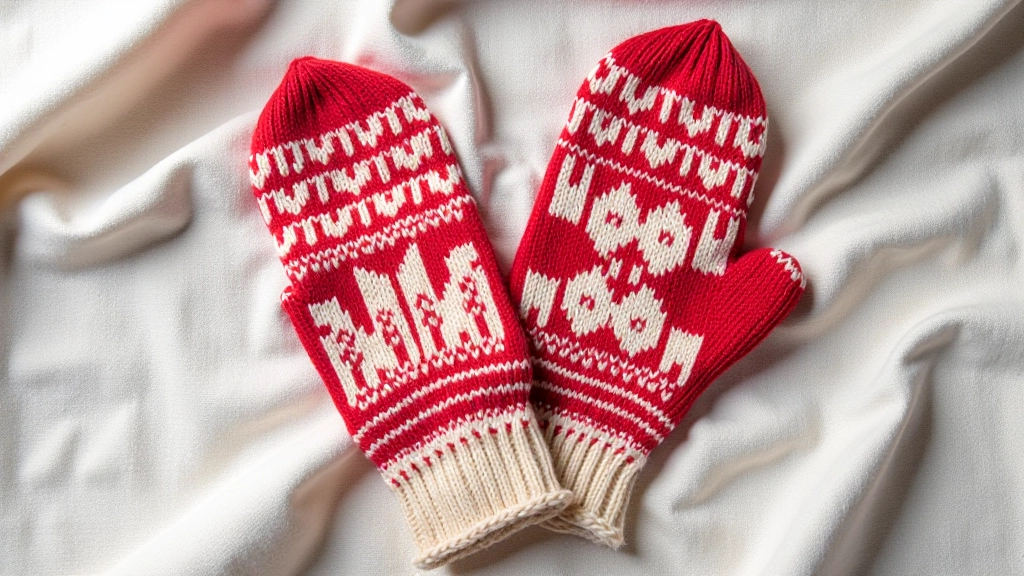
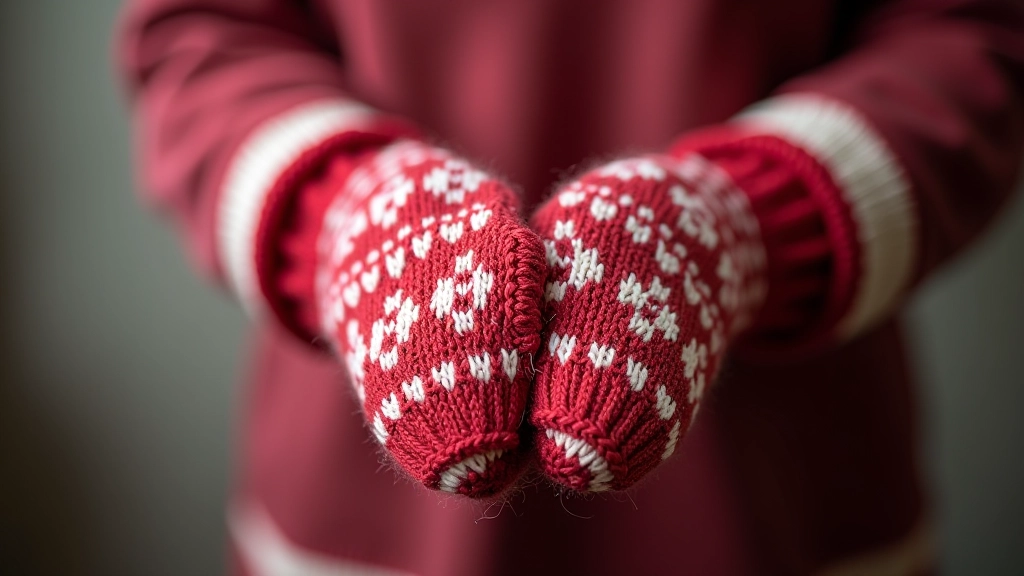
Latvian mittens aren't just warm accessories — they're wearable history. Each pattern carries meaning passed down through generations. The geometric designs you see weren't random; they represented protection, prosperity, and connection to nature. For centuries, women knitted these patterns from memory, teaching daughters and granddaughters the symbols that meant something in their communities.
What makes this fascinating is that you can actually trace regional differences across Latvia. A mitten from Kurzeme looks distinctly different from one made in Latgale. The climate, available materials, and cultural exchanges shaped how each region developed its own style. It's not that one way was "right" — it's that each region perfected what worked for them.
Stranded Knitting: The Core Technique
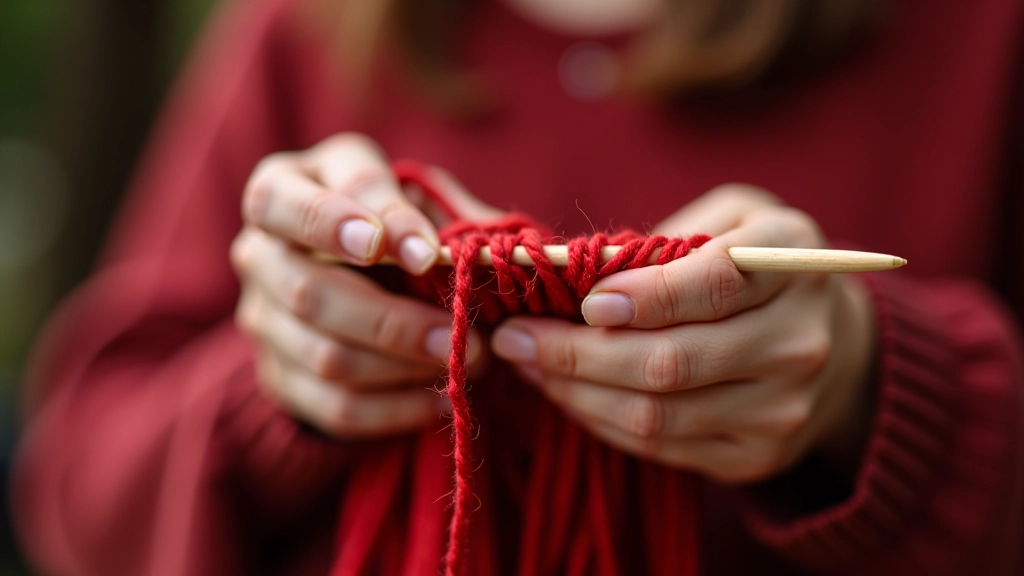
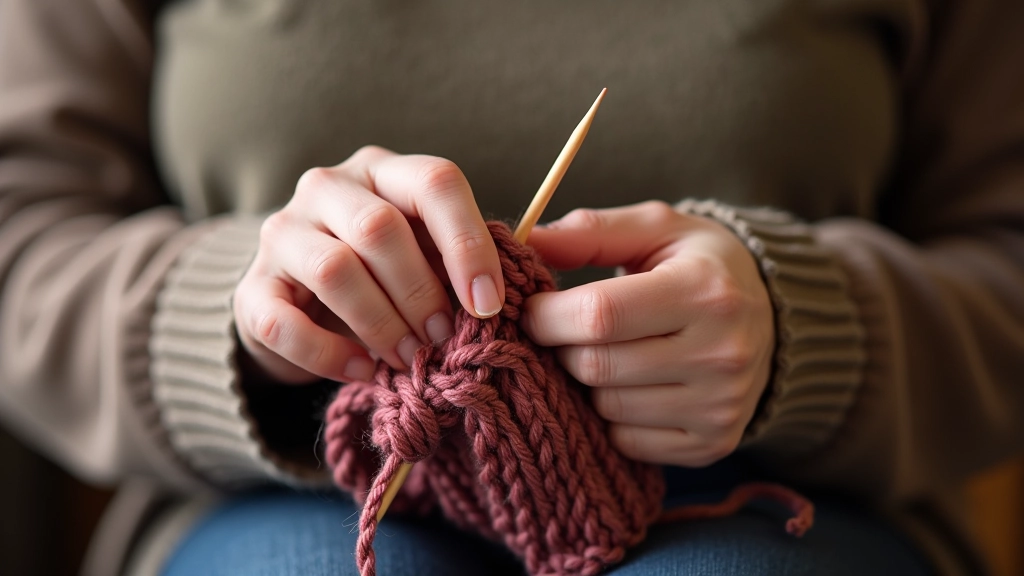
The magic happens through stranded knitting — holding two yarn colors and switching between them to create the pattern. It's not as complicated as it looks, but it does require practice. You're essentially carrying one color inside the mitten while you knit with the other, then switching colors at specific points. The first few rows feel awkward. By the tenth row? You'll find your rhythm.
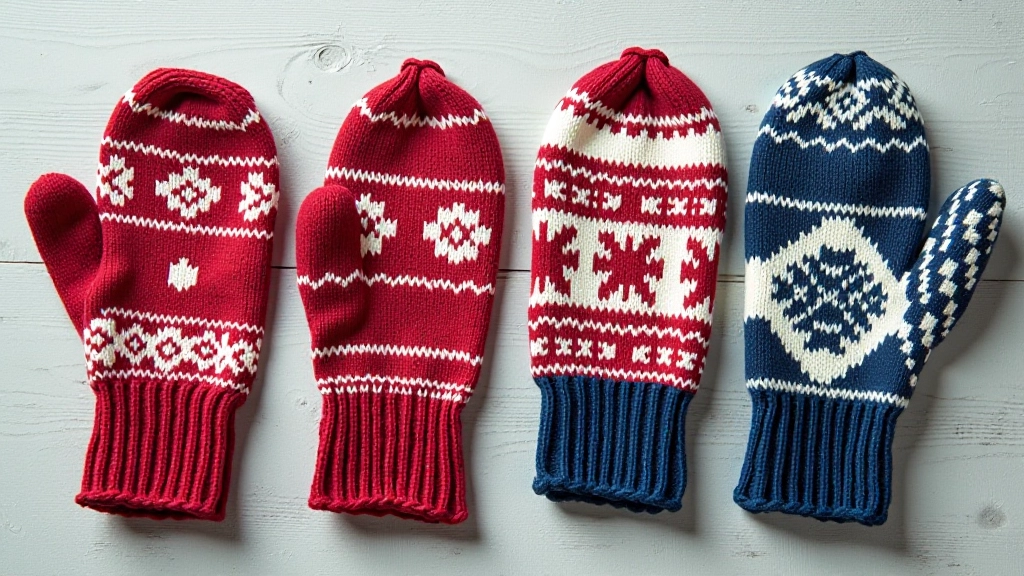
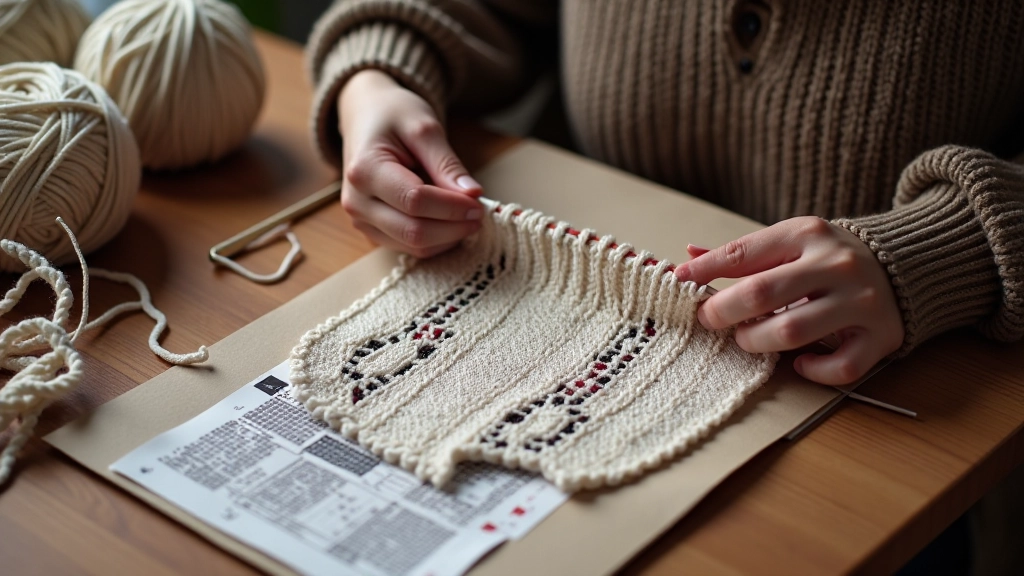
Most traditional Latvian mittens use a 2-color technique, though some regional variations include 3 or even 4 colors. The most common pairing is red and white — a color combination you'll see across almost every region. Some mittens from Vidzeme incorporate navy and cream instead. The pattern chart (what knitters follow) tells you exactly when to switch colors, making it a puzzle you solve row by row.
Educational Note
This article provides historical and technical information about Latvian mitten patterns for educational purposes. Pattern complexity and knitting difficulty vary based on individual experience. We recommend starting with beginner-friendly patterns and consulting knitting guides or experienced crafters for personalized instruction.
Regional Variations Across Latvia
Travel across Latvia and you'll notice mittens change. Kurzeme mittens tend toward simpler geometric shapes — straight lines, diamonds, and checks. They're bold and direct. Vidzeme mittens incorporate more complex patterns with star motifs and intricate borders. The patterns aren't just different for aesthetic reasons; they reflect how communities stayed connected and expressed identity through what they wore.
The cuff patterns especially vary. Some regions start with a simple ribbed edge, others begin with an elaborate multi-row pattern that takes 30-40 rows before you even reach the main hand section. A Latgale mitten might feature what knitters call "poppies" — small concentrated pattern clusters that break up larger geometric fields. These regional differences developed over centuries when travel was limited and communities stayed relatively isolated.
Pro tip: If you're drawn to a particular regional style, research mittens from that area. You'll find pattern books specific to Kurzeme, Vidzeme, and Latgale that teach traditional designs from those regions. This approach connects you to actual heritage rather than generic "Latvian" patterns.
Starting Your First Latvian Mittens
Before you commit to a complex regional pattern, understand your baseline skills. You'll want to be comfortable with basic increases and decreases, know how to read a chart, and have experience with at least one stranded color project. A simple two-color hat is excellent practice. Once you've done that, Latvian mittens feel achievable rather than overwhelming.
Most traditional Latvian mittens use needles sized 1.5-2.0mm with yarn around fingering weight. The pattern gets worked in the round, typically on four double-pointed needles or a circular needle with magic loop technique. A single mitten takes 15-25 hours depending on pattern complexity and your knitting speed. It's not a quick project, but the satisfaction of finishing a historically authentic pair is worth the time investment.
Don't feel pressured to replicate a pattern exactly as it appears in a book. Many knitters adapt regional patterns — combining the cuff from one tradition with the hand pattern from another. The patterns are alive; they've changed with every knitter for centuries. Your version will be just as authentic as any museum piece.
The Story Continues in Your Hands
Latvian mitten patterns carry more weight than yarn weight. They're conversations across time, connecting you to people you'll never meet but whose hands once held these same needles and colors. When you knit a Latvian mitten, you're not just making something warm — you're participating in a tradition that's survived centuries of change.
The beautiful thing about these patterns is that they don't belong in a museum behind glass. They belong on your hands, being worn and experienced. They belong being taught to someone else. Each pattern variation, each regional style, each color choice carries meaning. That's what makes them worth the time, the focus, and the inevitable frogging when you drop a stitch.
Ready to explore more about Latvian textiles? Check out our guides on knitting basics and the modern workshops preserving these traditions across Sigulda and Cēsis.