Crochet Basics for Complete Beginners
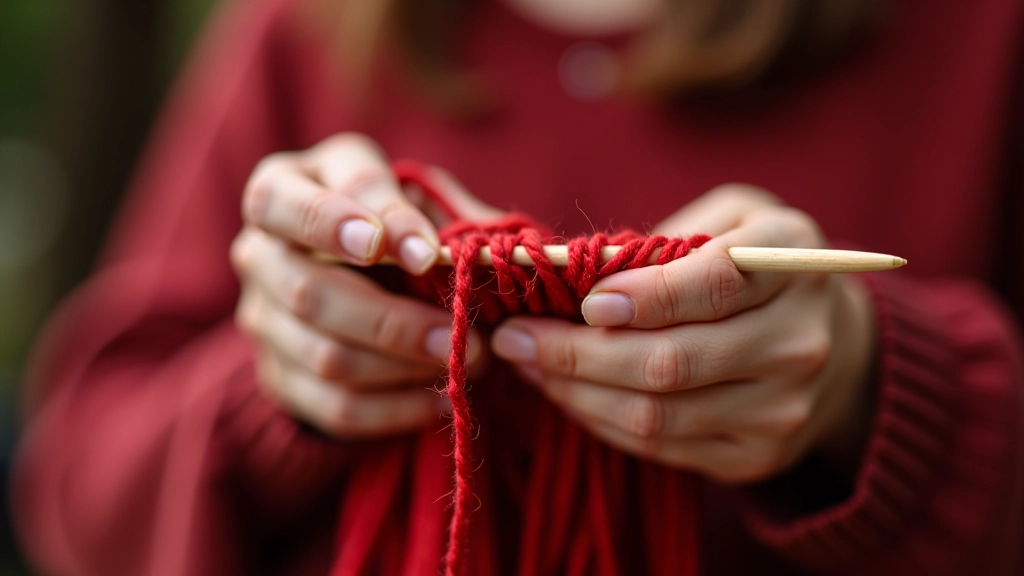
Never held a crochet hook? We'll walk you through the fundamental stitches and show you how to start your first simple project in just a few hours.
Why Crochet Is Perfect for Beginners
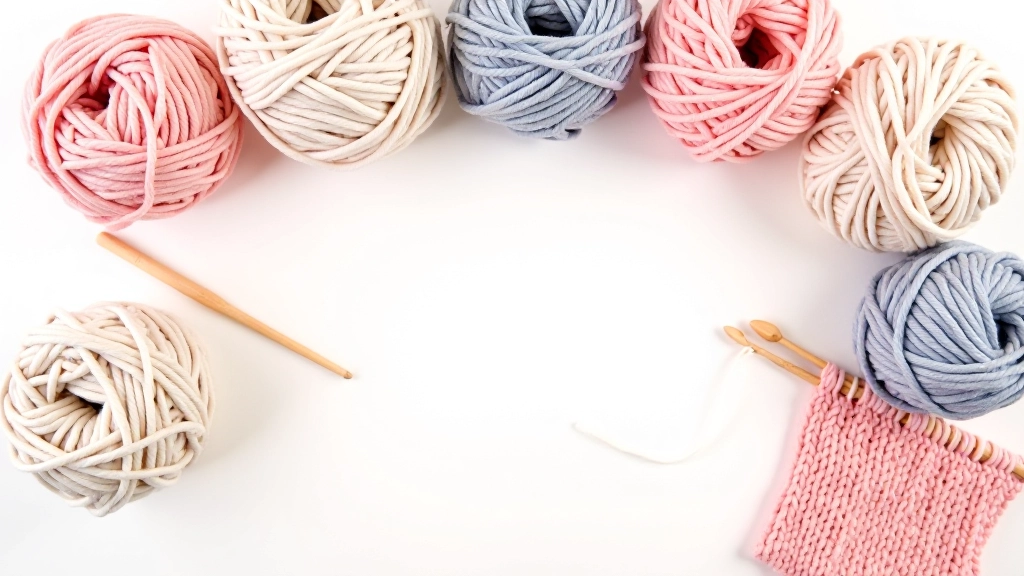
Unlike knitting, crochet only uses one active hook at a time. That means dropped stitches aren't a disaster — you've got a much better chance of fixing mistakes without unraveling your whole project. It's also faster. You'll see visible progress after just an hour or two, which keeps you motivated.
The learning curve is gentle too. We're talking basic stitches that take maybe 20 minutes to grasp. Within your first session, you could have a small dishcloth or scarf started. Most people find that incredibly satisfying, and that's what hooks you on the hobby.
Fast Learning
Master basic stitches in under an hour
Easy Fixes
One hook means mistakes are forgiving
Visible Progress
See results within your first hour
What You'll Need to Get Started
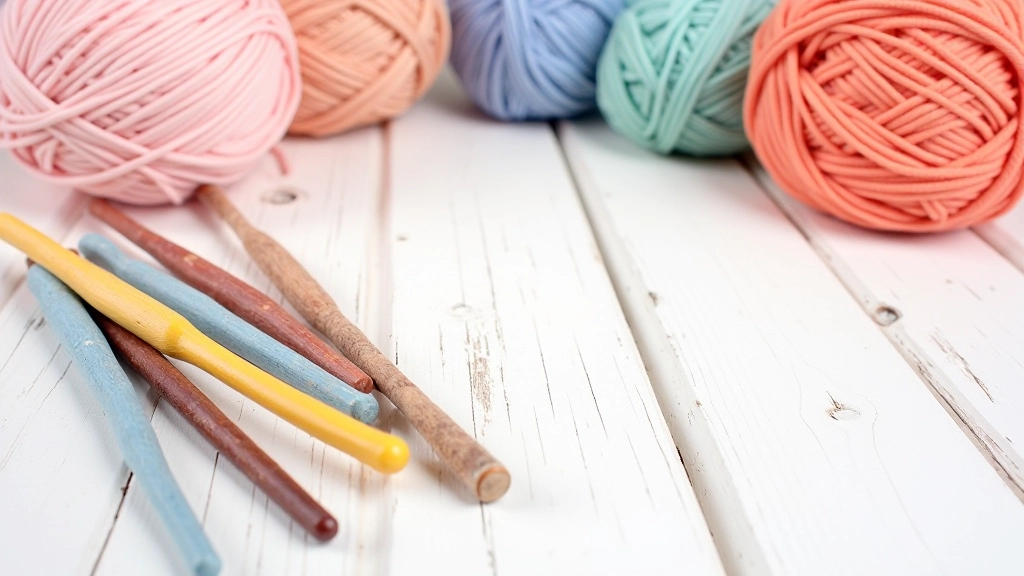
A crochet hook and yarn. That's genuinely it. You don't need expensive equipment or a special workspace. A single hook costs between 1-3 dollars, and decent beginner yarn runs about 2-4 dollars per ball.
For your first project, grab a medium-weight yarn (usually labeled as "worsted" or "bulky") and a size H or I hook. The thicker yarn is much easier to see while you're learning. Your stitches will be visible, and you won't squint trying to find your loops.
Essential Supplies
- One crochet hook (size H or I for beginners)
- Two balls of medium-weight yarn
- Scissors (you probably have these)
- A yarn needle for weaving in ends
The Four Essential Stitches
You don't need to know every stitch to make something beautiful. These four will carry you through most beginner projects. Really. You'll be amazed at what you can create with just chain, single crochet, double crochet, and half-double crochet.
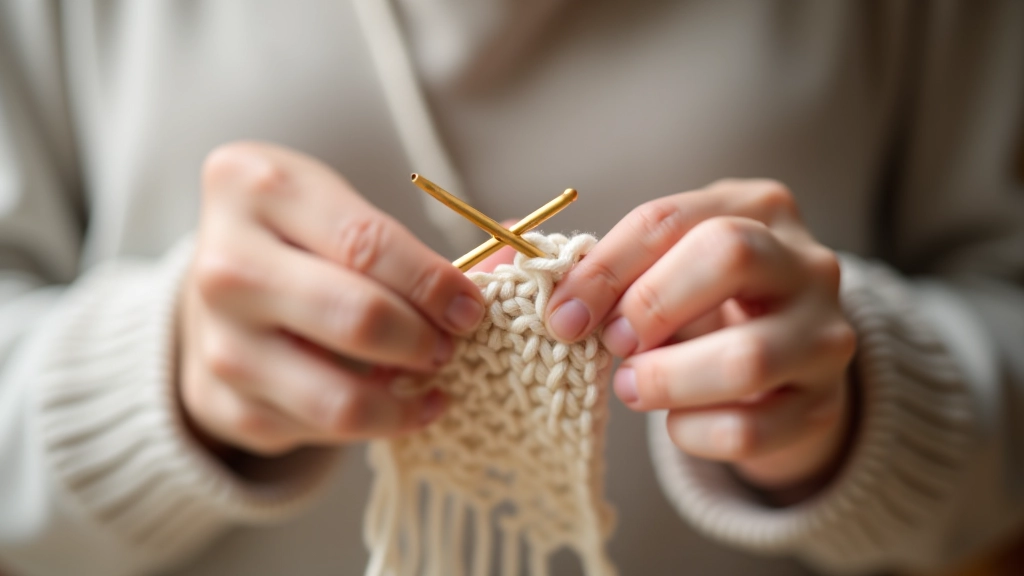
The chain stitch is where you start every single project. It's just looping yarn through your hook repeatedly — takes about five minutes to get comfortable. Single crochet is your foundation. It's short, tight, and creates a dense fabric. Double crochet is taller and works faster. Half-double is basically the middle ground between them.
Chain Stitch
Foundation for every project
Single Crochet
Short, dense, tight fabric
Double Crochet
Taller stitch, works faster
Half-Double Crochet
Middle ground between single and double
About This Guide
This article is educational information about crochet basics. Everyone learns at their own pace, and the timeframes mentioned here are general estimates. If you're finding something challenging, don't hesitate to watch tutorial videos, join a local crafting group, or practice the same stitch multiple times before moving on. Patience makes all the difference.
Your First Project: A Simple Dishcloth
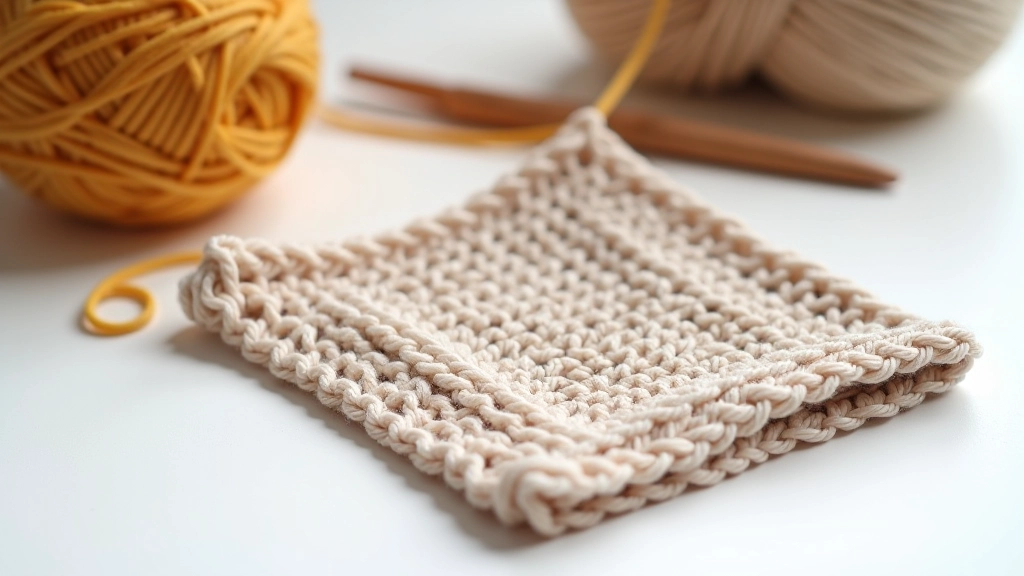
This is what we recommend everyone makes first. Not because it's boring — it's actually the perfect way to practice your stitches in a real, usable project. You'll spend about 30 minutes on it, and at the end you've got something you can actually use in your kitchen.
Chain 20 stitches to start. Then single crochet in each chain across. Turn your work and repeat. Keep going until you have a rough square — about 30-35 rows. That's it. You'll see your tension improve as you go, and honestly, that's the whole point. The imperfect first cloth teaches you more than any perfect pattern ever could.
Practical Tips for Success
These aren't rules — they're just things that make the experience smoother and more enjoyable.
Keep Your Tension Loose
Beginners often crochet too tight. Your stitches should slide easily on your hook. If you're straining or squinting, loosen up and give yourself more yarn in each loop.
Take Breaks Often
Your hands and shoulders will thank you. Crochet for 20-30 minutes, then step away for 10. This prevents strain and keeps the activity enjoyable.
Watch and Re-Watch
Video tutorials are your friend. Watching someone's hands move in real time teaches you things written instructions can't. Don't feel bad rewinding the same video 10 times.
Find Your Community
Join local crafting circles or online groups. Sharing progress and asking questions keeps you motivated and helps you learn faster.
Stick With One Yarn Type
While learning, use consistent yarn weight and fiber. Switching between different yarns makes it hard to develop consistent tension and technique.
Enjoy Imperfection
Your first projects won't look like Instagram photos, and that's completely fine. Each stitch teaches you something. That's the whole journey.
What's Next After the Basics?
Once you're comfortable with those four stitches, you've got options. Some people move into making scarves or blankets. Others explore amigurumi (those cute stuffed creatures everyone makes). A few jump straight into following written patterns, which opens up hundreds of project ideas.
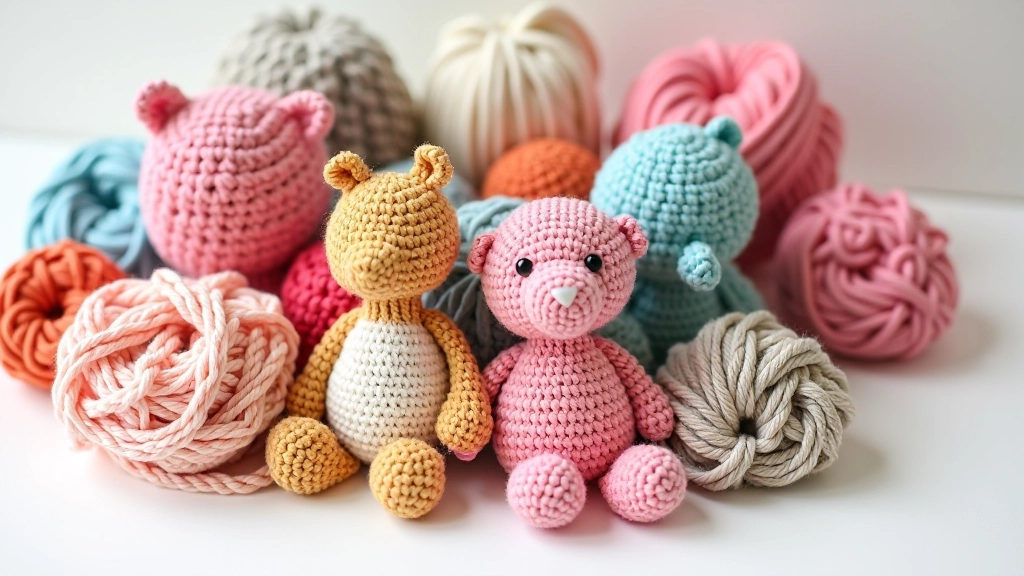
The beautiful thing about crochet is that it grows with you. You start simple. You practice. Your tension becomes more consistent. Your speed increases. Before you know it, you're tackling complex stitches and color work that seemed impossible when you were holding that hook for the first time. And you'll still remember that first dishcloth — slightly wonky, a bit lumpy, absolutely perfect.
Related Articles